Introduction: Tired of the “Myopia Management” Maze?
As a parent, watching your child squint at the whiteboard, sit closer to the TV, or struggle to see the score at a soccer game is worrying. You’ve likely heard the term “myopia management” but navigating the options can feel overwhelming. Standard glasses correct vision, but what if there was a lens technology designed to do more? What if it could actually help slow down the rapid progression of myopia in children?
Enter Zeiss Myocare lenses. They represent a significant leap forward from traditional single-vision lenses. But with innovation often comes questions: How do they work? Are they effective? And, crucially, what is the Zeiss myocare lenses price?
This article is your one-stop guide. We’ll cut through the complexity and give you a clear, honest look at the features, science, and cost of Myocare Zeiss lenses, empowering you to make an informed decision for your child’s eye health.
What Are Zeiss Myocare Lenses? Beyond Simple Vision Correction
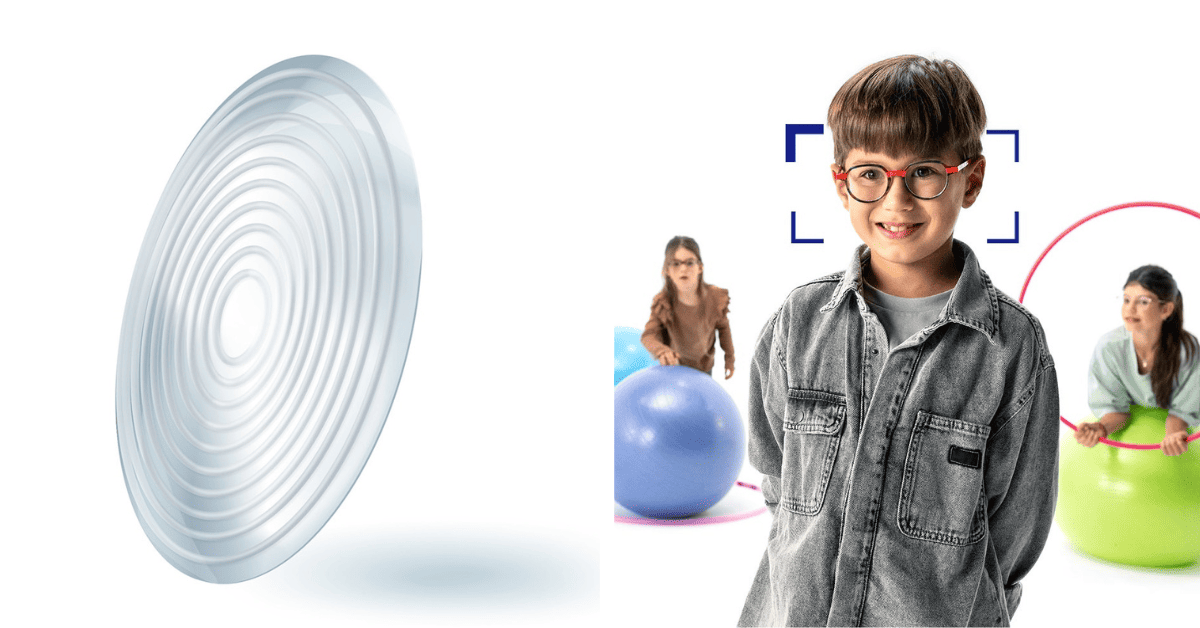
Simply put, Zeiss Myocare lenses are not your average eyeglass lenses. While traditional lenses provide clear central vision, they can create a peripheral defocus that may encourage the eye to grow longer, leading to increasing myopia.
Myocare lenses are specifically engineered for myopia management in children and teenagers. They use innovative technology to signal the eye to slow its axial elongation—the primary cause of myopia progression.
Unpacking the Innovative Features of Myocare Zeiss Lenses
The power of these lenses lies in their unique design. Zeiss offers two distinct, scientifically-backed technologies in the Myocare portfolio.
CARE Technology (Cylindrical Annular Refractive Elements)
This is Zeiss’s sophisticated lenslet technology.
- How It Works: The lens surface is covered with thousands of tiny, invisible cylindrical lenslets.
- The Science: These lenslets create a dynamic myopic defocus in the peripheral retina. This means that while the center of the lens provides a sharp image, the periphery introduces a controlled “stop signal.” This signal is believed to reduce the stimulus for the eye to grow longer.
- The Benefit: By consistently presenting this signal across the entire lens, regardless of where the child looks, it helps to manage myopia progression effectively.
Built on a Foundation of Eye Care Expertise
Beyond the core technology, Myocare Zeiss lenses come with all the premium features you’d expect from a leader in optics:
- UltraSafe Protections: They include full UV protection, a hard scratch-resistant coating, and an anti-reflective coating to reduce glare, especially from digital screens.
- Durability: Made from impact-resistant polycarbonate material, they are a safe choice for active children.
- Customization: They can be fitted into most modern, child-friendly frames.
Understanding the Zeiss Myocare Lenses Price
This is often the biggest question, and rightly so. It’s important to understand that Zeiss Myocare lenses price is not a single number but a range influenced by several factors.
What Influences the Cost?
- Technology Type: The specific technology (CARE or D.I.M.S.) can affect the price.
- Prescription Complexity: Higher prescriptions may incur additional costs.
- Lens Index: Thinner, lighter lens materials cost more.
- Additional Coatings: Adding premium anti-glare or blue light filters will increase the price.
- The Eyecare Professional: Fees for the optometrist’s expertise, fitting, and follow-up care are part of the overall investment.
Zeiss myocare realistic Price Range
While prices can vary, you can generally expect the lenses alone (without frames) to fall within a range of 7500 Rs to 28,000 Rs. ( $150 to $600 or more). The complete package, including a good quality frame and the professional services, will be higher.
Crucial Takeaway: The cost is an investment. When weighed against the potential long-term costs and health risks associated with high myopia, many families find the value proposition of Myocare lenses to be very strong. Always discuss the complete, out-the-door cost with your eye care provider.
Conclusion: Are Zeiss Myocare Lenses the Right Choice?
Zeiss Myocare lenses represent a powerful, non-invasive tool in the fight against progressive childhood myopia. With their innovative CARE and D.I.M.S. technologies, they offer a scientifically-proven way to not just correct vision but to actively manage its deterioration.
The decision ultimately comes down to your child’s specific needs, your optometrist’s recommendation, and your family’s budget. While the upfront Zeiss myocare lenses price is higher than standard lenses, the long-term benefits for your child’s eye health can be immeasurable.
Your Next Step: Schedule a comprehensive eye exam with an optometrist who specializes in myopia management. Discuss your concerns, ask about Myocare Zeiss, and get a detailed quote. Taking action today can help preserve your child’s vision for a lifetime.
you may also like to read
Top 3 myopia control glasses in the world
How effective are Zeiss Myocare lenses?
Clinical studies on the D.I.M.S. technology (used in the MiYOSMART lens under the Myocare portfolio) have shown it can slow myopia progression by an average of 60% and axial elongation by up to 60%. The CARE technology is also based on robust scientific principles of myopic defocus and shows promising results.
What is the best age for Myocare lenses?
They are typically prescribed for children and teenagers between the ages of 6 and 18, during the years when myopia is most likely to progress rapidly. The earlier myopia management begins, the greater the potential benefit.
Are there any side effects?
Most children adapt to the lenses very quickly. Some might experience a short adjustment period (a day or two) as their brain gets used to the lenslet technology, where they might perceive slight changes in peripheral vision. This is usually temporary.
How do Myocare lenses compare to Ortho-K (Orthokeratology)?
Both are effective myopia management solutions. Ortho-K involves wearing rigid contact lenses overnight to reshape the cornea. Myocare Zeiss lenses are worn as daytime glasses. The choice depends on lifestyle, child’s preference, and professional recommendation. Glasses are often seen as a simpler, less invasive starting point.